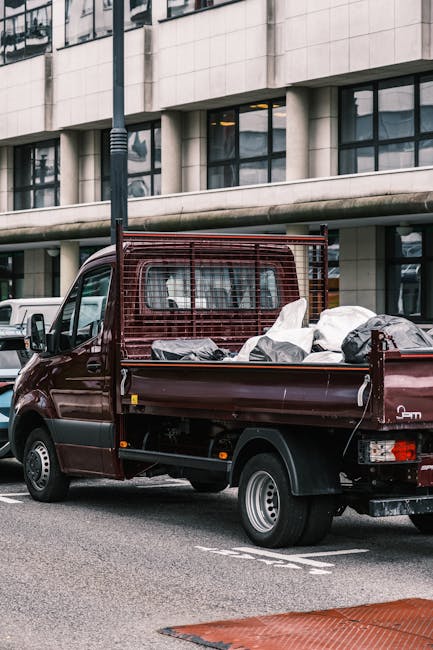
Balham station removals pickup advice for large items
If you are trying to organise Balham station removals pickup advice for large items, the main challenge is rarely the lifting itself. It is the timing, the access, the kerb space, the stairs, the awkward corners, and the simple fact that large items never seem to be quite as easy as they look at first glance. A sofa that looks manageable in a living room can become a different beast on a busy London street. A wardrobe that fits on paper may suddenly hate the staircase. Truth be told, that is where careful pickup planning saves the day.
This guide walks you through how large-item pickups near Balham station usually work, what to do before collection, which mistakes to avoid, and how to choose the right kind of removal support. It is written for people who want a smooth, sensible move without drama, broken fittings, or that familiar end-of-day panic where one side of the item is already in the van and the other side is still stuck in the hallway.
Table of Contents
- Why Balham station removals pickup advice for large items Matters
- How Balham station removals pickup advice for large items Works
- Key Benefits and Practical Advantages
- Who This Is For and When It Makes Sense
- Step-by-Step Guidance
- Expert Tips for Better Results
- Common Mistakes to Avoid
- Tools, Resources and Recommendations
- Law, Compliance, Standards, or Best Practice
- Options, Methods, or Comparison Table
- Case Study or Real-World Example
- Practical Checklist
- Conclusion
- Frequently Asked Questions
Why Balham station removals pickup advice for large items Matters
Balham station sits in a part of south London where space is usually tight, traffic can feel impatient, and the practicalities of moving anything bulky matter more than people expect. Large-item pickups are not just about getting something from A to B. They are about protecting the item, the property, the people carrying it, and the timetable around you. One extra minute spent checking the route can save an hour of faffing later.
That matters even more if your pickup is close to a station, because station-adjacent roads often bring a mix of pedestrians, taxis, local deliveries, buses, and limited waiting space. A bulky item collection near a station entrance or on a narrow residential road can quickly turn awkward if the van cannot stop safely, or if the item needs to be carried a long way. You do not want to discover that while standing outside with a mattress under your arm.
Good advice also helps you decide whether the job is really a standard pickup, a furniture removal, or something more like a tailored move. For example, a heavy chest of drawers may fit a simple man and van booking, while a piano, large wardrobe, or delicate dining table may need a more specialised approach such as piano removals or broader furniture removals. The right match makes a difference. Quite a big difference, actually.
There is also a trust angle here. When a company understands access, loading, carrying distances, and basic protection of the building, you can feel the difference straight away. It tends to be calmer, cleaner, and far less rushed. And in moving work, calm is underrated.
How Balham station removals pickup advice for large items Works
At a practical level, a large-item pickup near Balham station usually follows a fairly straightforward sequence: assess the item, check access, agree the pickup window, protect the item, move it safely, load it securely, and transport it to its next stop. Simple enough on paper. On the ground, though, each step has details that can trip people up.
The first question is always: what exactly are you moving? A flat-pack desk is not the same as a solid oak sideboard. A single sofa bed is not the same as a three-piece suite. If the item is unusually heavy, fragile, or awkwardly shaped, the plan needs to reflect that. You may need a larger vehicle, more lifting hands, or dismantling tools. Sometimes you need all three. Moving can be a bit like a puzzle, only the pieces are soft furnishing and embarrassment.
Second, think about access at both ends. Near Balham station, a pickup may involve a front step, a narrow hallway, a basement flat, or a top-floor walk-up. Ask yourself: can the item turn through the door? Is the stairwell wide enough? Will the item fit in the lift, if there is one? Have you checked for low ceilings, tight corners, and banisters that could scratch? These sound like small details. They are not small when the item is wedged halfway round a landing.
Third, think about timing. Morning pickups can be easier where roads are quieter, but the best time depends on your building and the local flow of traffic. If the job is close to a busy street, it may be worth allowing extra time for parking and loading. That little buffer often saves the day.
If you are arranging a larger move as part of a home or business relocation, the pickup may sit alongside other services such as home moves, office removals, or even commercial moves. The general logic stays the same: plan access carefully, protect the item, and keep the route simple.
Key Benefits and Practical Advantages
Following solid pickup advice for large items does more than reduce stress. It changes the whole tone of the job. Here are the most useful benefits in real terms:
- Less damage risk to floors, doors, walls, and the item itself.
- Faster loading because the route and vehicle are ready before collection begins.
- Better safety for anyone doing the lifting or guiding.
- Cleaner timing when parking and access have been thought through.
- Lower chance of delays caused by forgotten measurements or missing tools.
- More predictable costs because the job is understood properly from the start.
There is also a quieter benefit that people often miss: less mental load. When the plan is clear, everyone stops guessing. You are not wondering whether the sofa will fit through the stairwell. The crew is not improvising in the hallway. The whole thing just feels smoother. And let's face it, after a week of packing boxes, nobody wants one more surprise.
For people who need short-notice support, advice is especially valuable because it helps you decide whether a same-day removals option is genuinely realistic or whether a slightly later pickup would be safer and cheaper overall. Sometimes speed is useful. Sometimes it is the thing that causes the mess.
Who This Is For and When It Makes Sense
This kind of pickup advice is useful for a lot of different people, not just those moving house. If you are collecting one bulky item from near Balham station, you may be:
- a tenant moving a sofa, bed, or wardrobe into a new flat;
- a homeowner replacing old furniture;
- a student moving out of halls or shared accommodation;
- a landlord clearing left-behind items between tenancies;
- a small business collecting shelving, desks, or archive furniture;
- someone buying second-hand items and needing safe transport;
- a family sorting out a large item that is simply too heavy for a car boot and a prayer.
It also makes sense if your item is only awkward rather than huge. A long mirror, a dining table top, or a bulky armchair can be harder to handle than you expect. Some readers assume that only pianos or very heavy wardrobes need preparation. Not really. A well-packed item that is too wide for the hallway can be just as troublesome.
If your pickup is part of a smaller move or an assisted collection, a flexible service such as man with a van or man with van support may be the most practical fit. If you are moving a single item but need more protection, check whether furniture pick up or broader removal services are a better match.
Step-by-Step Guidance
Here is the part that usually makes the biggest difference. Do this well, and the pickup becomes far easier.
- Measure the item properly. Measure height, width, depth, and any protruding parts like handles, feet, or a headboard. If it can be dismantled, note the full assembled size and the size after dismantling.
- Measure access points. Doorways, hallways, stair turns, lifts, landings, and any external gates matter. A tape measure is not glamorous, but it is useful. A lot.
- Check the collection point. Is it on a busy road, side street, or somewhere close to the station where stopping is limited? Identify where the vehicle can wait safely.
- Decide whether the item needs protection. Blankets, wrap, tape, edge protectors, and straps all help. If the item is fragile, use more protection than you think you need. Then add a bit more.
- Prepare the item. Remove drawers, loose shelves, detachable legs, and anything that could swing or fall off. Tape doors shut if needed.
- Clear the path. Move shoes, mats, plants, bins, and anything else sitting in the way. This is one of the easiest wins, and people still forget it all the time.
- Arrange the vehicle and helpers. Make sure the right van size and loading equipment are ready. If the item is awkward or heavy, do not try to "just manage" with one person and a bit of optimism.
- Confirm the timing. Allow enough time for traffic, parking, and carrying. If there is a lift booking, building access slot, or concierge window, align the schedule with that.
- Inspect before loading. Look for existing marks or loose parts. It is easier to note these at the start than after the item has been lifted twice and is now somehow everyone's problem.
- Secure it correctly in transit. Once loaded, the item should not slide, tip, or rub against hard surfaces. Secure loading matters as much as the lift itself.
If the item is being moved into storage because the new property is not ready, this is a good moment to consider storage as part of the plan rather than a last-minute afterthought. It can reduce pressure enormously.
Expert Tips for Better Results
In practice, a few small habits make large-item pickups go much better. These are the things that tend to separate a tidy move from a stressful one.
- Take door measurements twice. Sounds redundant, but the second check often catches things you missed the first time.
- Photograph the item and the access route. A quick set of photos helps everyone visualise the job before arrival.
- Use the quietest access route available. If the rear entrance is easier than the front, use it. If the lift is too small, do not waste time hoping it will magically stretch.
- Keep screws and fittings in a labelled bag. Tiny parts vanish quickly during a move. They seem to enjoy it.
- Protect corners first. Corners and edges are the places where damage usually starts.
- Check the weather if the item is going outside. A short shower can turn cardboard packaging into a soggy mess very quickly.
- Be honest about weight. If an item is too heavy for one person, say so. No prize is given for stubbornness.
When a pickup involves a delicate or valuable item, ask whether additional handling care is needed. For example, an older cabinet with loose joinery may travel better with a slightly slower, more controlled loading process. It is not about being fussy. It is about keeping the item intact.
A quick human note here: people often think removal work is all strength. It is not. Good judgement does half the job. Sometimes more.
Common Mistakes to Avoid
A lot of pickup problems are predictable. That is the annoying part. The good news is that once you know them, they are easy to avoid.
- Guessing the measurements. Guessing usually ends in bruised walls or a second trip.
- Ignoring stair turns. A piece can fit the doorway and still fail at the landing.
- Forgetting to book parking or allow stopping space. Near a station, this can become the biggest issue of all.
- Leaving loose parts attached. Handles, shelves, mirrors, and legs can snag or snap off.
- Using the wrong vehicle size. Too small and the item will not fit. Too large and you may pay for space you do not need.
- Not asking about carrying distance. A short van stop and a long carry are not the same job.
- Assuming all items can be moved the same way. Furniture, appliances, antiques, and office equipment all have different handling needs.
Another common one: leaving all the preparation until the team arrives. That is a fast way to turn a 30-minute pickup into a morning-long affair. If you can take ten minutes to clear access and remove loose parts beforehand, do it. You will be glad you did.
Tools, Resources and Recommendations
You do not need a warehouse of specialist kit for a simple large-item pickup, but a few practical tools make life easier.
- Tape measure for item and access dimensions.
- Moving blankets to protect furniture surfaces.
- Stretch wrap or protective wrap for drawers, doors, and loose fittings.
- Strong tape for securing protectors and keeping parts together.
- Gloves with grip for better handling.
- Straps and trolley equipment where the item weight and layout justify it.
- Labels and marker pens if parts need to be separated and reassembled later.
For help choosing a suitable service level, the company's pricing and quotes information can be useful before you book, especially if you are comparing a single-item pickup with a more complex move. You may also want to review insurance and safety so you understand how the provider approaches risk, handling, and protection.
If you are moving boxes alongside a large item, the packing and boxes page is a sensible companion read. It is often the little packing choices, not the big furniture, that make the journey smoother.
Law, Compliance, Standards, or Best Practice
For a pickup like this, the safest approach is to follow normal UK moving best practice: lift carefully, avoid blocking access, protect people and property, and make sure the vehicle is parked legally and safely. If you are hiring help, the operator should be clear about safety procedures, insurance arrangements, and how complaints are handled if something goes wrong. That is just sensible due diligence.
In a busy London location, you should also be mindful of local access realities such as restricted stopping, pedestrian movement, and building rules. A flat may have a managed entrance. A block may require lift booking or porter coordination. A business premises may have loading windows. None of this is exotic, but it matters. A lot.
Where lifting is involved, good manual handling practice is the key idea: keep loads manageable, avoid twisting under weight, use suitable help for bulky objects, and stop if something feels unsafe. If a crew member says an item needs more hands or a different approach, that is a good sign, not a weakness.
If you want to understand more about how a provider handles safety and responsibility, it is worth reading the company's health and safety policy alongside its general terms. That gives you a clearer sense of the standards behind the service.
Options, Methods, or Comparison Table
Different pickup methods suit different situations. Here is a simple comparison to help you decide.
| Option | Best for | Pros | Watch-outs |
|---|---|---|---|
| Self-collection by car | Light or compact items | Cheap, simple, flexible | Not suitable for bulky or heavy furniture |
| Van pickup with helpers | Most large household items | Balanced cost and practicality | Needs planning for access and parking |
| Specialist furniture removal | Large, fragile, or valuable pieces | Better handling and protection | Can cost more than basic transport |
| Full removal service | Multiple rooms or complex moves | Less stress, more support, broader coverage | May be more than you need for a single item |
| Temporary storage before delivery | When timing does not line up | Reduces pressure, keeps items safe | Needs extra planning and coordination |
In real life, the best option is usually the one that fits the item, the access, and the deadline together. Not just the cheapest one. Cheap can be brilliant. Cheap can also become expensive very quickly if it means damage, delays, or an awkward second attempt.
Case Study or Real-World Example
Imagine a resident collecting a large sofa and matching armchair from a property a short walk from Balham station. The item is being moved into a first-floor flat with a narrow entrance and a shared stairwell. On the face of it, this sounds manageable. In practice, the lift is too small, the hallway turn is tight, and the road outside gets busy around school-run time.
The successful version of this job starts before the van arrives. The resident measures the sofa, removes the feet, clears the hallway, and checks where the vehicle can pause safely. The mover brings blankets and straps, confirms the carrying route, and takes a slower approach at the stairs. No rushing, no guesswork, no wrestling the sofa through the doorway like a scene from a sitcom.
The result is boring in the best possible way: the item arrives intact, the walls stay clean, and the pickup ends on time. That is what good planning buys you. Not excitement. Not drama. Just a job done properly.
Practical Checklist
Use this before the pickup. It is simple, but genuinely useful.
- Measure the item and write the dimensions down.
- Measure doors, halls, stairs, lifts, and turns.
- Check where the vehicle can stop safely.
- Clear the route inside and outside the property.
- Remove loose parts and pack them together.
- Protect edges, corners, and fragile surfaces.
- Confirm whether dismantling is needed.
- Make sure someone is available at collection time.
- Keep keys, access codes, or buzzers ready if needed.
- Allow extra time for parking, stairs, and London traffic.
- Ask about insurance and handling if the item is valuable.
- Decide whether the pickup should be part of a larger move or a standalone job.
Expert summary: The safest way to handle large-item pickup near Balham station is to plan access early, choose the right vehicle and support level, and protect the item before anyone lifts it. Measure first, move second. It really is that simple.
Conclusion
Large-item pickups near Balham station are manageable when you treat them as a small logistics job rather than a quick favour. Measure properly, think through access, prepare the item, and choose a service that matches the size and complexity of the move. That alone removes most of the stress.
If you are comparing options, looking for practical help with heavier pieces, or trying to coordinate pickup timing around a busy London area, a thoughtful approach will save you time and keep the job under control. And if the item is part of a wider move, it may be worth looking at services like removals or furniture removals so everything is handled in one clean plan.
Get a free quote today and see how much you can save.
Sometimes the best move is the one that feels almost uneventful. Nice and steady. That is usually the good sign.
Frequently Asked Questions
What should I measure before booking a large item pickup near Balham station?
Measure the item's full size, including handles, feet, and anything detachable. Then measure doorways, hallways, stair turns, lifts, and the space where the vehicle can stop. Those access checks matter just as much as the item itself.
Can one person move a large sofa or wardrobe safely?
Sometimes a smaller piece can be moved by one person, but most large sofas, wardrobes, and similar items are safer with at least two people and the right equipment. If the item is awkward, heavy, or valuable, it is better to get proper help than improvise.
Is a man and van service enough for large items?
For many large household items, yes. A man and van setup can be a practical fit if the item is not unusually delicate or complex. If the item needs extra care, specialist handling may be better.
What if the item will not fit through the stairwell?
If the stairwell is too tight, the item may need dismantling, a different route, or a more specialised moving plan. It is best to find that out before pickup day, not halfway through the staircase.
Do I need to clear the hallway before the movers arrive?
Yes, absolutely. A clear route saves time and reduces the chance of damage. Shoes, mats, bins, and small furniture can all get in the way when a large item is being carried.
How far in advance should I arrange a large-item pickup?
As early as you can, especially if access is tight or the item is heavy. Short-notice bookings can still work, but extra planning usually means a smoother pickup and fewer surprises.
What is the difference between furniture pick up and furniture removals?
Furniture pick up often refers to collecting a specific item or small number of items. Furniture removals suggests a broader service that may include larger, more complex, or multiple pieces.
Should I dismantle furniture before the pickup?
If safe to do so, dismantling can make moving much easier. Remove legs, shelves, drawers, or other loose parts if that reduces the size or weight. Just keep all fittings together and label them clearly.
What happens if parking is difficult near the station?
Parking and stopping space should be planned in advance. If the road is busy or restricted, the mover may need a better collection window, a different loading point, or extra time built into the job.
Can large-item pickup include storage if my new place is not ready?
Yes, it often can. If timing is awkward, using storage can keep the move on track without forcing you into a rushed delivery.
How do I know if I need specialist removals instead of a simple pickup?
If the item is unusually heavy, fragile, oversized, valuable, or hard to access, specialist support is usually the safer choice. A standard pickup is fine for many items, but not every item should be treated the same way.
What should I check about safety and insurance?
Check how the provider handles manual lifting, item protection, transport security, and insurance arrangements. It is sensible to understand these basics before the job starts, especially for larger or more valuable items.
Are same-day pickups a good idea for large items?
They can be, if the item is straightforward and access is simple. But if there are stairs, narrow doors, or parking challenges, a same-day booking can become rushed. Sometimes a little more time is the wiser move.